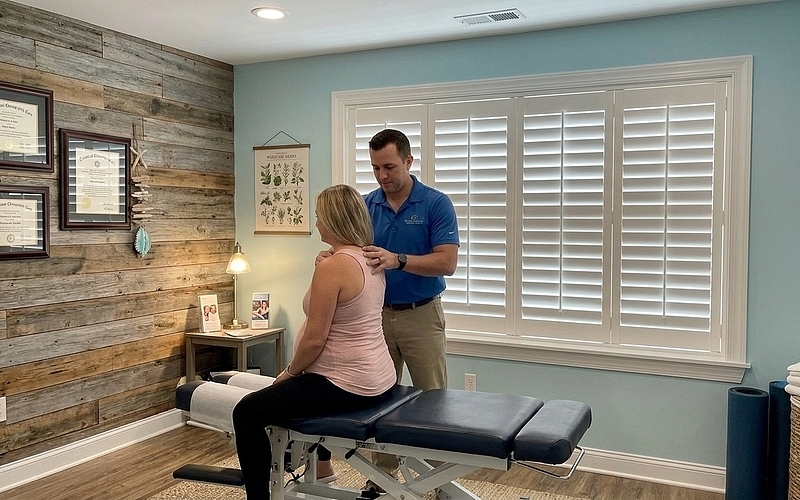
Can Massage Therapy in Surf City Help You Recover Faster?
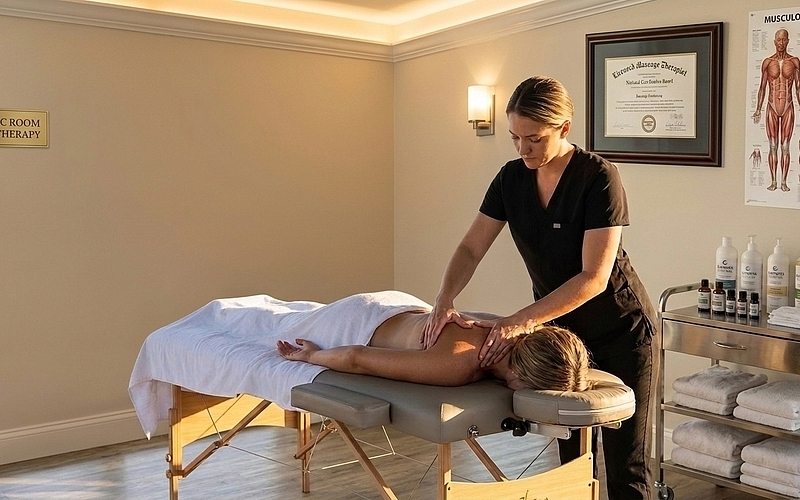
Most people think recovery is just about rest and hydration. Sit still, drink water, wait for the soreness to fade. But your body needs more than that—especially if you're pushing it hard on the waves, the sand, or the pavement. Massage isn't some luxury spa add-on. It's a tool. And if you're not using it, you're leaving time on the table.
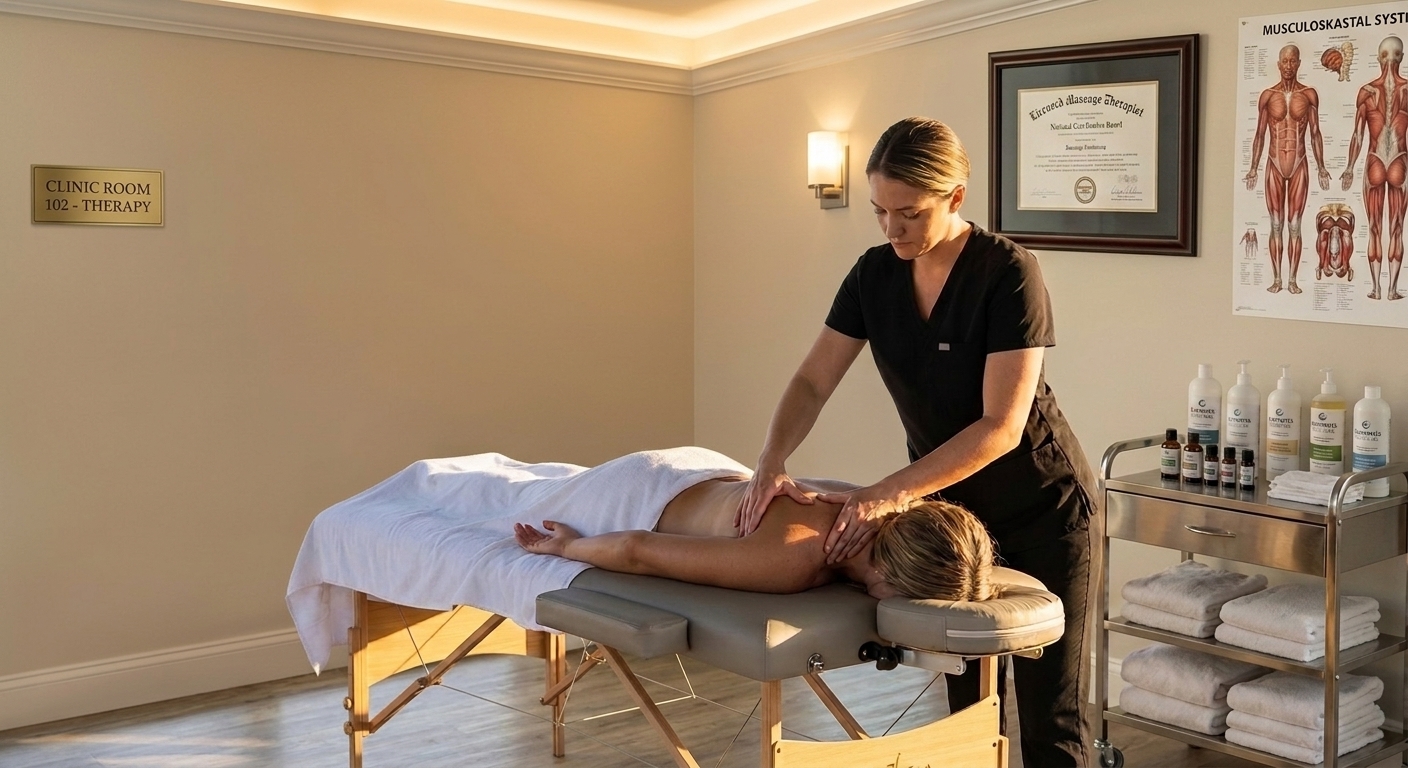
The real question isn't whether massage helps. It's whether you're treating recovery like a strategy or just hoping your muscles figure it out on their own. Because in Surf City, where the pace is high and the activity never stops, downtime matters. Every hour you spend stiff or sore is an hour you're not training, surfing, or living at full capacity.
What Actually Happens When You Get Bodywork
Your muscles don't recover in a vacuum. After you surf, run, or lift, they're dealing with inflammation, microtears, and a pile of metabolic junk that needs clearing out. Left alone, that process takes longer. Add targeted pressure and manipulation, and you're speeding up the timeline.
Massage increases circulation. That means oxygen and nutrients get where they need to go faster, while waste products like lactic acid get flushed out. It also reduces inflammation at the tissue level and loosens adhesions that form when muscles repair themselves. The result? Less stiffness, less pain, and a body that's ready to go again sooner. It's not magic. It's physiology.
Why Active People Need It More
If you're sitting at a desk all day, sure, massage feels good. But if you're constantly moving, constantly stressing your body in new ways, the benefits multiply. Your muscles are under load. Your joints are working overtime. And without intervention, small issues turn into big ones.
Here's what regular bodywork does for people who don't sit still:
- Cuts down on delayed soreness so you're not wrecked two days after a hard session
- Keeps muscles pliable and joints mobile, reducing the chance of strains or tweaks
- Clears out metabolic waste faster, so fatigue doesn't stack up over time
- Lowers stress hormones, which helps your nervous system reset and your body actually recover
- Identifies problem areas before they sideline you completely
The Types That Actually Move the Needle
Not all massage is the same. If you walk into a random spot asking for "relaxation," you might feel nice for an hour. But if you're trying to recover from real exertion, you need someone who knows how to work with athletes and active bodies.
Sports massage targets overused areas with focused pressure and stretching. Deep tissue goes after the layers where chronic tension lives. Trigger point therapy zeroes in on specific knots that refer pain elsewhere. Swedish is lighter and better for circulation and stress relief. Each has a place. The key is matching the technique to what your body actually needs, not just what sounds pleasant.
Finding Someone Who Knows What They're Doing
Surf City has no shortage of massage options. But not every therapist understands how to work with someone who's been in the water for hours or just finished a brutal training block. Look for licensed professionals who specialize in sports chiropractic or deep tissue work. Ask about their experience with surfers, runners, or athletes in general.
A good therapist will assess your movement patterns, ask about your activity level, and adjust pressure based on what your tissues can handle. If they're just going through the motions without asking questions, that's a red flag. Recovery work should be intentional, not generic.
When to Schedule Sessions
One massage after a hard week might help. But if you're serious about staying ahead of soreness and injury, consistency matters. Weekly sessions during heavy training periods keep inflammation in check and prevent small issues from snowballing. Monthly maintenance works if your load is lighter or you're just trying to stay loose.
Timing also matters. Right after a brutal session, your body might be too inflamed for deep work. A day or two later is often better. And pairing massage therapy with other recovery tactics—like proper sleep, hydration, stretching, and nutrition—multiplies the effect. None of this works in isolation.
The Mistakes Most People Make
Treating massage like a once-in-a-while treat is the first mistake. If you only go when you're already wrecked, you're managing damage instead of preventing it. The second mistake is not communicating. Your therapist can't read your mind. If the pressure is too much or too little, speak up. If a spot hurts in a bad way, say something.
The third mistake is skipping the basics. Massage won't fix dehydration, poor sleep, or garbage nutrition. It's part of a system, not a standalone fix. And if you're trying to power through an injury without addressing the root cause, no amount of bodywork will save you from eventually breaking down.
What the Data Actually Says
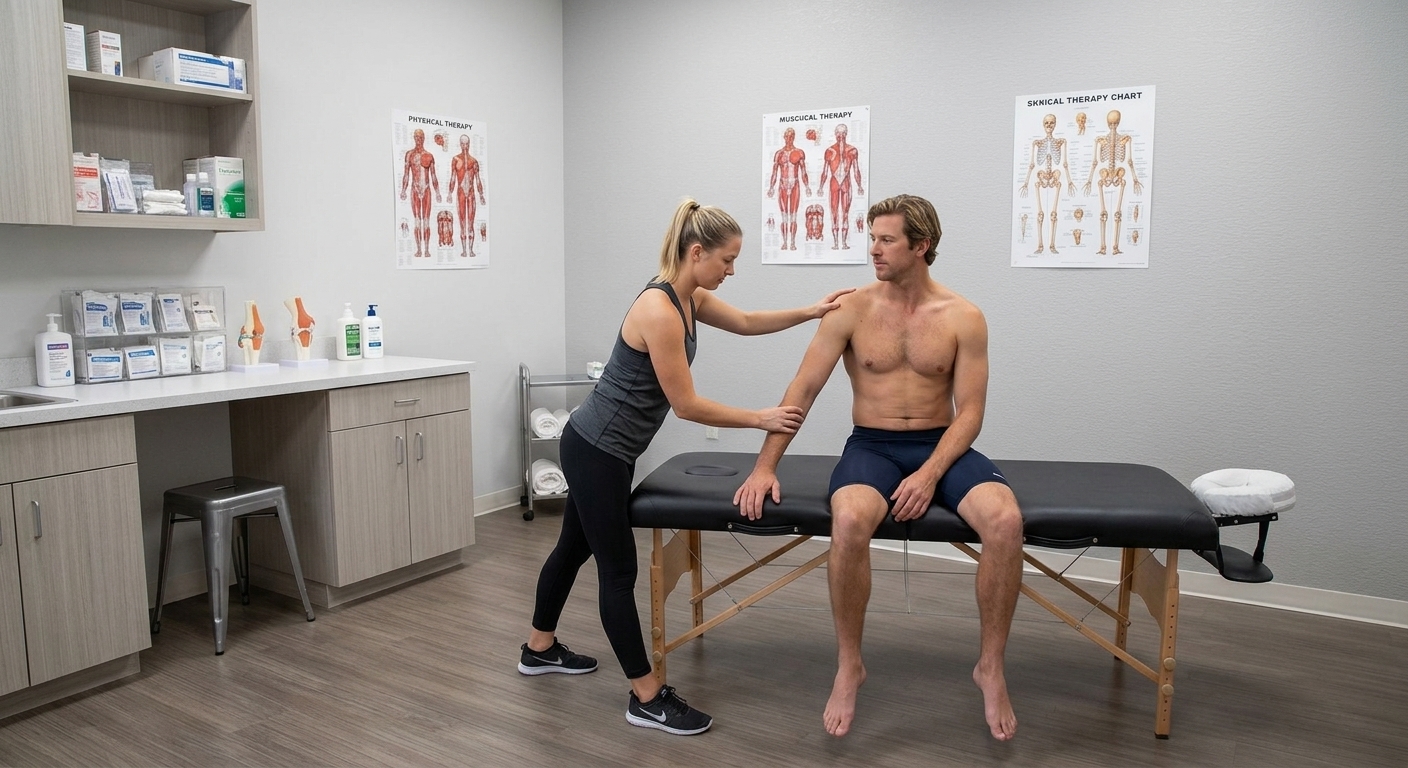
Research backs this up. Studies show that massage reduces markers of inflammation, decreases soreness, and improves range of motion. It doesn't just feel good—it measurably changes how your body responds to stress and exertion. Athletes who integrate myofascial release into their routines report fewer injuries, faster recovery times, and better performance. That's not anecdotal. That's documented.
And while the science is still sorting out exactly which mechanisms matter most, the practical evidence is clear. People who get regular bodywork stay healthier and bounce back faster than those who don't. Whether you're chasing waves or just trying to keep up with an active lifestyle, that edge matters.
Building It Into Your Routine
Recovery isn't passive. It's something you plan for, just like training. Block out time for massage the same way you'd block out time for a workout. Budget for it. Prioritize it. Because the alternative is waiting until something hurts bad enough that you have no choice—and by then, you're already behind.
Combine it with stretching, foam rolling, and mobility work for a complete recovery protocol. Many athletes find that addressing back pain, neck pain, and shoulder pain through targeted bodywork helps them maintain their training schedules. Track how you feel before and after sessions so you can adjust frequency and intensity. And don't treat it like an indulgence. Treat it like maintenance. Because that's what it is.
Recovery Happens Faster When You Take It Seriously
Massage therapy in Surf City isn't about pampering yourself. It's about giving your body the support it needs to keep performing at a high level. The surfers, runners, and athletes who stay consistent are the ones who last. The ones who skip it end up sidelined, wondering why everyone else seems to recover faster. The answer isn't complicated. They're just putting in the work—on and off the beach.
Ready to Feel the Difference?
If you're tired of letting soreness slow you down, let's make recovery a priority together. Our team is here to help you bounce back stronger and stay active in Surf City. Give us a call at 910-702-4476 to talk about your goals, or schedule an appointment and start feeling the benefits of focused massage therapy for yourself.
‹ Back
Recent Posts
-

Still Feeling Sore After an Accident in Surf City?
September 28, 2026
-
Could Chiropractic Care in Surf City Help Improve Your Posture?
September 14, 2026
-
Is Your Sports Injury in Surf City Taking Longer to Heal?
August 31, 2026
-
Can Massage Therapy in Surf City Help You Recover Faster?
August 17, 2026
-