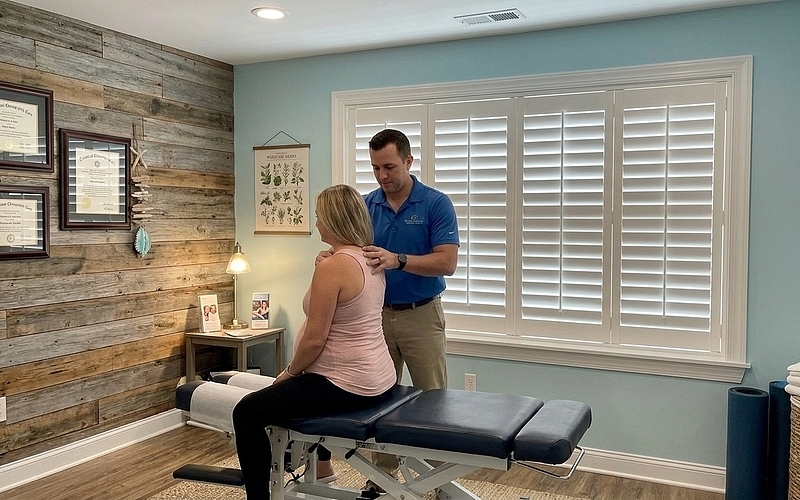
Still Feeling Sore After an Accident in Surf City?
Most people think pain after an accident is just part of the deal. A day or two of discomfort, then back to normal. But your body doesn't always follow that script—and if you're still feeling sore weeks later, that's not just bad luck. It's a signal. Something didn't heal right, or something never got checked in the first place. In a place like Surf City, where beach roads meet high-traffic routes and tourists mix with locals, accidents happen fast. The aftermath? That lingers.

We've seen it play out over and over. Someone walks away from a fender bender or a slip on wet pavement feeling fine. Then three days later, their neck won't turn. Their back aches when they get out of bed. And instead of getting help, they assume it'll pass. It doesn't always pass. And waiting too long to address it can turn a manageable injury into a chronic problem—or worse, a legal headache when insurance starts questioning why you didn't seek treatment sooner. That's where personal injury care becomes essential.
Adrenaline Lies to You
Right after an accident, your body floods with adrenaline. That's biology doing its job—keeping you alert, masking pain, helping you deal with the immediate crisis. But once that wears off, reality kicks in. Muscles that got wrenched start to stiffen. Joints that absorbed impact begin to swell. What felt like nothing at the scene turns into something you can't ignore by bedtime.
This delayed onset is common, especially with soft tissue injuries. Whiplash, strains, and bruising don't always announce themselves right away. They simmer. And by the time you realize something's wrong, you're already behind on treatment. That's not your fault—it's just how trauma works. But it does mean you need to take soreness seriously, even if it shows up late.
What's Actually Causing the Ache
Not all soreness comes from the same place. The type of accident, the angle of impact, and even your posture at the moment of collision all play a role. Some injuries are obvious. Others hide under the surface until movement or pressure exposes them. Knowing what you're dealing with matters—not just for treatment, but for documentation if you end up filing a claim.
Here's what we see most often:
- Whiplash from rear-end collisions that jerks the neck beyond its normal range
- Muscle strains in the back, shoulders, or legs from bracing against impact
- Ligament sprains that cause swelling and limit mobility for weeks
- Bone bruising that doesn't show up on basic X-rays but causes deep, lasting pain
- Nerve compression from swelling or misalignment that creates numbness or tingling
Ice Works Until It Doesn't
In those first couple of days, ice is your best friend. It brings down inflammation, numbs sharp pain, and gives your body a chance to stabilize. But if you're still reaching for the ice pack two weeks later, that's a sign the injury needs more than home remedies. Ice reduces symptoms—it doesn't fix the underlying damage.
Heat comes into play once the acute phase passes. It loosens tight muscles, increases blood flow, and helps with stiffness. But timing matters. Use heat too early, and you can make swelling worse. Use it too late, and you're just masking a problem that needs real intervention. There's a window where self-care works. After that, you're guessing.
When Rest Becomes a Problem
Rest is important. Pushing through pain right after an accident is a bad idea. But so is staying sedentary for too long. Muscles weaken. Joints stiffen. Range of motion decreases. What started as a minor injury can snowball into something that requires months of physical therapy to undo.
We recommend gentle movement as soon as it's safe—stretching, walking, light activity that keeps blood flowing without aggravating the injury. The goal isn't to power through. It's to prevent your body from locking up while it heals. If you're not sure what's safe, ask a professional. Guessing wrong here can set you back significantly. Professional chiropractic care can help guide your recovery safely.
Red Flags That Demand Attention
Some soreness resolves on its own. Some doesn't. Knowing the difference can save you from long-term complications—or from missing a serious injury that needs immediate care. We don't believe in overreacting, but we also don't believe in downplaying symptoms that could indicate something worse.
Get checked out if you experience any of these:
- Pain that worsens instead of improving after the first few days
- Numbness, tingling, or weakness in your arms or legs
- Severe headaches that don't respond to over-the-counter medication
- Dizziness, nausea, or confusion that lingers beyond the day of the accident
- Sharp, stabbing pain when you move in certain directions
Documentation Protects Your Claim
If someone else caused your accident, soreness isn't just a medical issue—it's evidence. Insurance companies will try to minimize your injuries, especially if you didn't seek treatment right away. They'll argue that you weren't really hurt, or that the soreness came from something unrelated. That's why documentation matters.
Every doctor visit, every prescription, every physical therapy session—it all builds a record that supports your claim. Don't wait until you're in agony to get help. Early treatment shows the injury was real and required intervention. Delayed treatment gives adjusters ammunition to deny or lowball your settlement. We've seen strong cases fall apart because someone thought they could tough it out.
Medical Bills Add Up Fast
Even minor injuries can rack up costs. Emergency room visits, follow-up appointments, imaging scans, prescriptions, physical therapy—it piles up faster than most people expect. And if you're still sore, you're not done paying yet. That's money you shouldn't have to cover out of pocket if someone else was at fault.
Here's what typically shows up on the bill:
- Initial ER or urgent care visit for evaluation and basic imaging
- Follow-up appointments with specialists like orthopedists or neurologists
- MRI or CT scans to assess soft tissue or internal injuries
- Physical therapy sessions spread over weeks or months
- Chiropractic care if spinal alignment is involved
Insurance Companies Play the Waiting Game
They hope you'll get frustrated and settle for less than you deserve. They drag out the process, request unnecessary documentation, and question every line item on your medical bills. It's a strategy, not an accident. And if you're handling it alone, you're at a disadvantage.
An attorney levels the field. We know the tactics, we know the laws, and we know what your case is actually worth. We push back when adjusters stall. We negotiate when they lowball. And we take them to court if they refuse to play fair. You don't pay us unless we win—so there's no risk in getting help, only in going it alone.
Surf City Roads Aren't Forgiving
Between the summer crowds, narrow bridges, and distracted drivers heading to the beach, this area sees more than its share of accidents. Add in wet pavement, construction zones, and poorly marked intersections, and you've got conditions that lead to collisions—minor and major. If you got hurt here, you're not the first. And the local legal landscape is built around helping people recover what they're owed.
We work with clients all over Surf City and the surrounding areas. We understand the roads, the common accident hotspots, and the insurance companies operating in this region. That local knowledge matters when building a case and negotiating a settlement. When dealing with work auto injuries, having local expertise makes all the difference.

Don't Let Soreness Become Your New Normal
Pain that sticks around changes how you live. It limits what you can do, affects your mood, and drains your energy. You shouldn't have to accept that as the cost of someone else's mistake. Treatment exists. Compensation exists. Support exists. But only if you take the first step and stop assuming it'll just go away on its own.
Get checked out. Document everything. And if the accident wasn't your fault, talk to someone who can fight for what you're owed. Soreness is your body telling you something's wrong. Ignoring it won't make it right. Whether you're dealing with back pain or neck pain, addressing these issues early prevents long-term complications.
Reach Out Before It's Too Late
Time limits apply to personal injury claims. Wait too long, and you lose the right to file. Medical records fade. Witnesses forget details. Evidence disappears. The sooner you act, the stronger your case becomes.
Here's what we help with:
- Evaluating whether you have a valid claim based on the accident and your injuries
- Gathering medical records, police reports, and witness statements
- Negotiating with insurance companies to secure fair compensation
- Filing a lawsuit if settlement talks break down
- Representing you in court if the case goes to trial
Healing Takes Time, But Your Rights Don't Wait
Recovering from an accident is a process. Some injuries heal in weeks. Others take months. But legal deadlines don't care about your recovery timeline. Statutes of limitation start ticking the day of the accident, not the day you feel better. If you're still sore, still treating, and still unsure what your next move should be, now is the time to get answers. Not later. Not when the pain finally stops. Now—while the evidence is fresh and your options are still open.
Let's Get You Back on Track
We know how frustrating it is to deal with lingering pain after an accident, especially when it starts to interfere with your daily life. You don’t have to navigate recovery or the insurance process alone. Let’s work together to get you the care and compensation you deserve. Call us at 910-702-4476 or schedule an appointment so we can help you move forward with confidence.
‹ Back
Recent Posts
-

Still Feeling Sore After an Accident in Surf City?
September 28, 2026
-
Could Chiropractic Care in Surf City Help Improve Your Posture?
September 14, 2026
-
Is Your Sports Injury in Surf City Taking Longer to Heal?
August 31, 2026
-

Can Massage Therapy in Surf City Help You Recover Faster?
August 17, 2026
-