How Gentle Chiropractic Adjustments Help Ease Pediatric Discomfort
Most parents think discomfort in kids is just part of growing up. A little fussiness here, a few sleepless nights there. But when that discomfort lingers — or when it starts affecting how your child eats, sleeps, or moves — it's worth looking deeper. Gentle chiropractic care isn't about cracking backs or forcing alignment. It's about supporting the nervous system so the body can do what it's built to do. And for kids, that means less tension, better function, and a whole lot more comfort.

We're not talking about adult-style adjustments scaled down. Pediatric chiropractic is its own discipline. The pressure used is lighter than what you'd apply checking fruit at the grocery store. The goal isn't to fix something broken — it's to remove interference so everything works the way it should. And when that happens, a lot of the discomfort parents worry about starts to fade on its own.
Why Kids Experience Discomfort in the First Place
Children's bodies are constantly changing. They're growing, learning new movements, and putting stress on systems that are still developing. That process doesn't always go smoothly. Birth itself can be physically demanding, especially if there were complications or interventions. Then come the tumbles, the awkward sleeping positions, the hours hunched over tablets. All of it adds up.
Discomfort in children doesn't always look like pain. Sometimes it shows up as irritability, trouble nursing, digestive issues, or difficulty settling down. Parents often chalk it up to temperament or a phase. But in many cases, there's a physical component — tension in the spine or nervous system that's creating static in the signal between brain and body.
- Difficult or prolonged labor and delivery
- Falls during early mobility milestones
- Poor posture from screen use or heavy backpacks
- Repetitive strain from sports or activities
- Digestive upset, colic, or reflux
- Recurring ear infections or sinus pressure
What Gentle Adjustments Actually Do
Chiropractic care for kids focuses on the spine and nervous system. When vertebrae shift out of alignment — even slightly — they can create pressure on nerves. That pressure disrupts communication. The body doesn't get clear signals, and systems start to misfire. Digestion slows down. Sleep gets disrupted. Muscles stay tense. The child feels off, even if they can't explain why.
Gentle adjustments restore alignment without force. We're talking about light, controlled contact that encourages the body to reset. For infants, this might mean easing tension from birth trauma so they can latch better or sleep more soundly. For older kids, it could mean releasing tightness in the neck or lower back that's been building from poor posture or activity. The adjustment itself is quick, comfortable, and often something kids don't even notice is happening.
The Ripple Effect Beyond Pain
Pain relief is just the starting point. When the nervous system functions without interference, everything downstream improves. Immune response gets stronger. Digestion becomes more regular. Sleep deepens. Mood stabilizes. Parents often report changes they didn't even bring their child in for — fewer colds, better focus, less fussiness at bedtime.
This isn't about treating symptoms one by one. It's about creating an environment where the body can regulate itself. Kids who receive regular chiropractic care tend to have fewer sick days, fewer behavioral issues tied to discomfort, and better overall resilience. They're not just feeling better — they're functioning better.
- Stronger immune response and fewer infections
- Improved digestion and reduced colic symptoms
- Better sleep quality and easier bedtime routines
- Enhanced focus and reduced hyperactivity
- Fewer headaches and tension-related complaints

How Safe Is It Really
Pediatric chiropractors aren't just regular chiropractors who happen to see kids. They receive specialized training in child development, anatomy, and age-appropriate techniques. Before any adjustment, there's a full assessment — health history, physical exam, observation of movement patterns. Nothing happens without a clear understanding of what's going on and what's needed.
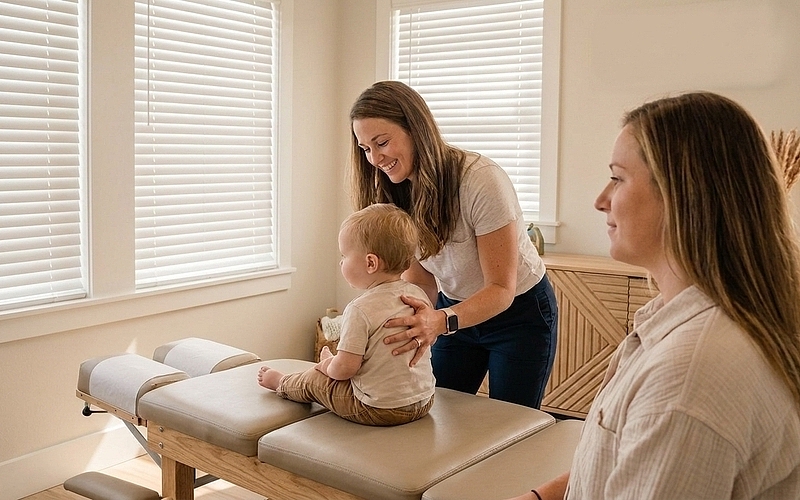
The adjustment itself uses minimal force. For infants, it's often just fingertip pressure applied to specific points along the spine. Older kids might sit or lie down, but the process is still gentle and non-invasive. Most children find it relaxing. Some even fall asleep during sessions. Parents are always present, always informed, and always encouraged to ask questions.
- Chiropractors trained specifically in pediatric care
- Thorough assessment before any treatment begins
- Light pressure tailored to the child's age and size
- Parents involved and informed throughout the process
- No forceful manipulation or uncomfortable positioning
What Happens During a Visit
The first visit is mostly about observation and conversation. We want to know what's been going on — how the child sleeps, eats, moves, and behaves. We'll watch how they hold their body, how they turn their head, whether one side seems tighter than the other. Then comes a gentle hands-on exam to feel for areas of tension or restriction.
If an adjustment is appropriate, it happens right there. The child might lie on a padded table, sit on a parent's lap, or even stay in a car seat if they're an infant. The chiropractor uses light, precise movements to encourage alignment. The whole thing takes minutes. Afterward, parents often notice their child seems more relaxed, moves more freely, or settles down more easily than before.
- Initial consultation includes health history and observation
- Hands-on assessment identifies areas of tension or misalignment
- Adjustments are quick, gentle, and tailored to the child's needs
- Parents stay with the child throughout the entire visit
- Follow-up care is based on the child's response and progress
When to Consider Chiropractic Care for Your Child
You don't need to wait for a crisis. Chiropractic care works best when it's part of a proactive approach to health. That said, there are certain signs that suggest a visit might be helpful. If your child struggles with sleep, has frequent digestive issues, seems unusually fussy, or complains of headaches or body aches, it's worth getting an assessment. Same goes for kids who've had a difficult birth, taken a hard fall, or developed poor posture habits.
Even if there's no obvious discomfort, regular check-ins can support healthy development. Just like dental cleanings or vision screenings, family chiropractic care can catch small issues before they become bigger problems. It's not about fixing what's broken — it's about keeping everything running smoothly so your child can grow, play, and thrive without unnecessary interference.
Supporting the Body's Natural Design
Kids are built to heal, adapt, and grow. But they need the right conditions to do it well. Gentle chiropractic adjustments create those conditions by removing the physical stress that gets in the way. No medications. No invasive procedures. Just precise, thoughtful care that helps the body do what it already knows how to do. And when that happens, discomfort fades, function improves, and parents get to see to see their kids feel like themselves again.
Let’s Help Your Child Thrive
Every child deserves to feel comfortable and move freely as they grow. If you’re ready to see how gentle chiropractic care can make a difference for your family, let’s talk. Reach out to us at 910-702-4476 or schedule an appointment and together we’ll support your child’s healthiest, happiest days ahead.
‹ Back
Recent Posts
-

Could Chiropractic Care in Surf City Help Improve Your Posture?
September 14, 2026
-
Is Your Sports Injury in Surf City Taking Longer to Heal?
August 31, 2026
-

Can Massage Therapy in Surf City Help You Recover Faster?
August 17, 2026
-
-