The Benefits of Myofascial Release for Recovery & Flexibility
Most people think tight muscles are just part of the deal. You train hard, you get sore, you push through. But the real culprit isn't always the muscle itself — it's the fascia wrapped around it. That connective tissue can lock down your range of motion, slow your recovery, and turn minor discomfort into chronic pain. And if you're ignoring it, you're leaving performance on the table.
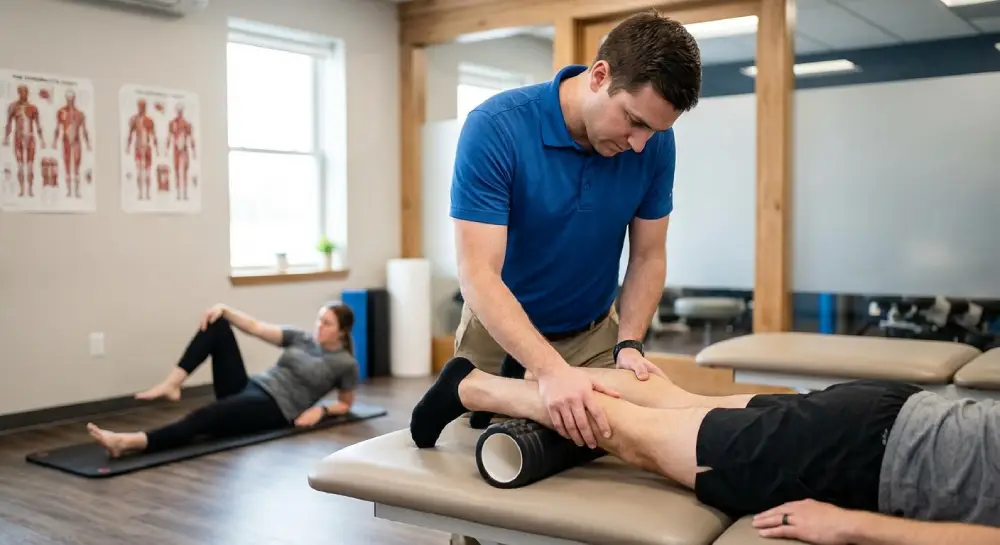
So here's what matters. Myofascial release isn't some spa luxury or recovery trend. It's a legitimate tool for breaking up restrictions, restoring movement, and getting your body back to baseline faster. Whether you're an athlete chasing PRs or someone just trying to move without stiffness, this technique has real application. But only if you understand what it does — and how to use it right.
Fascia Doesn't Get the Attention It Deserves
Fascia is everywhere. It wraps your muscles, connects your organs, and holds your entire structure together like a web. When it's healthy, it's pliable and smooth. When it's not, it tightens up, forms adhesions, and restricts how your body moves. Injury, repetitive motion, poor posture, even stress — all of it can turn fascia into a problem.
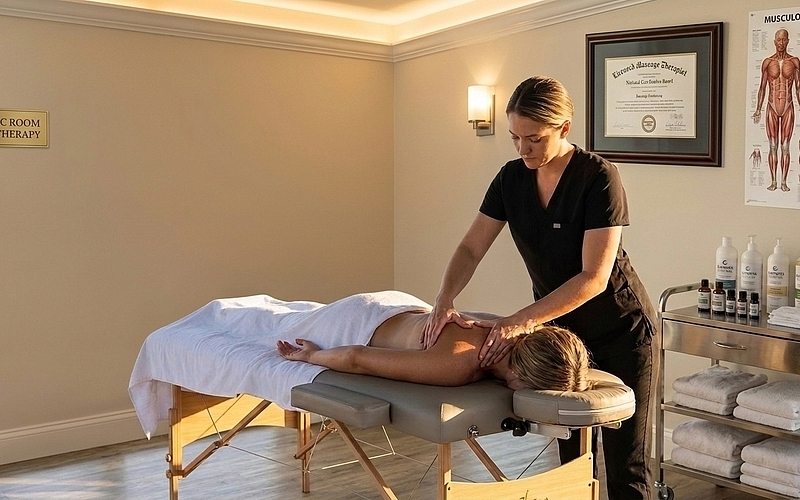
Myofascial release targets that tissue directly. Sustained pressure applied to the right spots helps stretch and loosen the fascia, breaking up those adhesions and restoring normal function. You can get it done by a trained therapist, or you can handle it yourself with a foam roller, lacrosse ball, or similar tool. Either way, the goal is the same: get the fascia moving again so your muscles can do their job.
Recovery Speeds Up When Circulation Improves
Tight fascia doesn't just limit movement — it chokes off blood flow. When circulation is compromised, oxygen and nutrients can't reach damaged tissue as efficiently. Waste products stick around longer. Inflammation lingers. Recovery drags.
Myofascial release changes that equation. By releasing fascial restrictions, you open up pathways for better circulation and lymphatic drainage. That means faster delivery of what your body needs to heal and quicker removal of what it doesn't. For athletes, that translates to shorter recovery windows between sessions. For anyone dealing with chronic pain or post-surgery rehab, it means a gentler, more effective path forward. The body knows how to heal itself — myofascial release just clears the roadblocks.
Flexibility Isn't Just About Stretching
You can stretch all day, but if your fascia is locked up, you're not getting anywhere. Tight fascia restricts muscle length and joint mobility, no matter how much you try to lengthen the muscle itself. That's why some people stretch religiously and still feel stiff.
Myofascial release addresses the root issue. By softening and lengthening the fascia, it allows muscles to stretch more fully and joints to move through a greater range. Scar tissue and adhesions that have been limiting your flexibility for months or years? Those start to break down. Movement becomes smoother, more coordinated, and less effortful. And the risk of sprains or strains drops because your body isn't fighting itself every time you move.
Pain Often Lives in the Fascia
Chronic pain and muscle tension frequently trace back to fascial restrictions. Trigger points — those tight, knotted areas within the fascia — can refer pain to completely different parts of the body. You might feel it in your shoulder, but the real problem is in your upper back. Or your knee hurts, but the issue is in your hip.
Myofascial release goes after those trigger points directly. The sustained pressure helps release the tension and interrupt the pain cycle. Many people feel immediate relief, like a weight has been lifted. It's commonly used for:
- Back pain that won't quit
- Neck stiffness and tension headaches
- Plantar fasciitis that makes every step hurt
- Fibromyalgia and widespread muscle pain
- Post-injury discomfort that lingers longer than it should
This isn't about masking symptoms. It's about addressing the underlying restriction so the pain doesn't keep coming back.
Posture Breaks Down When Fascia Pulls You Out of Line
Poor posture isn't always a matter of laziness or bad habits. Sometimes it's because tight fascia is literally pulling your body out of alignment. When one area is restricted, other areas compensate. That creates imbalances, inefficient movement patterns, and eventually, pain.
Myofascial release helps restore proper alignment by releasing those restrictions. When your fascia isn't fighting you, your body can settle into a more natural, efficient posture. That means:
- Less strain on your spine and joints
- Better breathing mechanics
- More energy throughout the day
- Lower risk of repetitive stress injuries
- Improved athletic performance and movement quality
Whether you're sitting at a desk for eight hours or running marathons, alignment matters. And myofascial release is one of the most direct ways to support it.
Self-Myofascial Release Puts the Power in Your Hands
You don't need a therapist every time you want to work on your fascia. Self-myofascial release tools — foam rollers, massage balls, percussion devices — give you the ability to address restrictions on your own schedule. It's not a replacement for professional treatment when you need it, but it's a solid maintenance strategy.
The key is consistency. Rolling out once a month won't do much. But spending five to ten minutes a few times a week? That keeps fascia pliable, prevents adhesions from forming, and helps you stay ahead of tightness before it becomes a problem. It's boring. It works.
When to Bring in a Professional
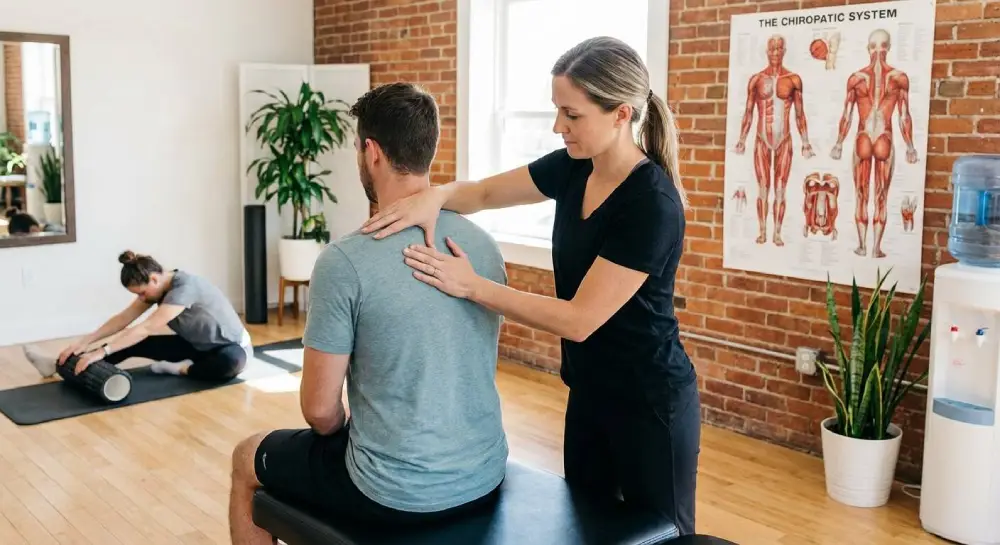
If you're dealing with chronic pain, recovering from surgery, or trying to address a specific injury, self-myofascial release might not be enough. A trained therapist can assess your movement patterns, identify restrictions you didn't know you had, and apply techniques that go deeper than what you can do on your own.
They can also help you understand how your fascia is affecting your overall function. Sometimes the pain you feel in one area is being caused by a restriction somewhere else entirely. A professional can connect those dots and create a treatment plan that actually addresses the root cause. Here's what a good therapist brings to the table:
- Hands-on assessment of fascial restrictions and movement quality
- Targeted treatment for trigger points and adhesions
- Education on how to maintain results between sessions
- Integration with other therapies like physical therapy or chiropractic care
- Accountability and guidance for long-term recovery
It's not just about feeling better in the moment. It's about building a foundation for long-term movement health.
Common Mistakes That Limit Results
Myofascial release works, but only if you do it right. Rolling too fast, applying too much pressure, or skipping over problem areas because they're uncomfortable — all of that undermines the process. The fascia needs time to respond. Rushing through it or going too aggressive can actually make things worse.
Another mistake? Only doing it when you're already in pain. Myofascial release is most effective as a preventive tool. Waiting until you're locked up and hurting means you're playing catch-up instead of staying ahead. Make it part of your routine, not a last resort.
The Bigger Picture on Movement and Recovery
Myofascial release isn't a magic bullet, but it's one of the most effective tools we have for improving how the body moves and recovers. It addresses a layer of the system that most people ignore until it becomes a problem. And by the time it's a problem, you've already lost time, performance, and quality of life.
The fascia is always there, always working. The question is whether you're supporting it or letting it tighten up and hold you back. A few minutes of focused work a few times a week can make the difference between moving freely and feeling stuck. Between recovering fast and dragging through soreness. Between performing at your best and settling for less because your body won't cooperate.
We've seen it play out across every type of athlete and active individual. The ones who take fascia seriously move better, recover faster, and stay in the game longer. The ones who don't? They're the ones dealing with chronic tightness, nagging injuries, and frustration that could have been avoided. For comprehensive support, consider exploring chiropractic care or massage therapy as complementary approaches. Myofascial release isn't complicated. It just requires consistency, attention, and a willingness to address the tissue that holds everything together.
Ready to Move and Recover Better?
If you're tired of feeling stuck or want to unlock your body's full potential, let's take the next step together. Our team is here to help you move with less pain and more freedom. Give us a call at 910-702-4476 or schedule an appointment and let’s get you back to doing what you love, faster and stronger than before.
‹ Back
Recent Posts
-
Could Chiropractic Care in Surf City Help Improve Your Posture?
September 14, 2026
-
Is Your Sports Injury in Surf City Taking Longer to Heal?
August 31, 2026
-
Can Massage Therapy in Surf City Help You Recover Faster?
August 17, 2026
-
-