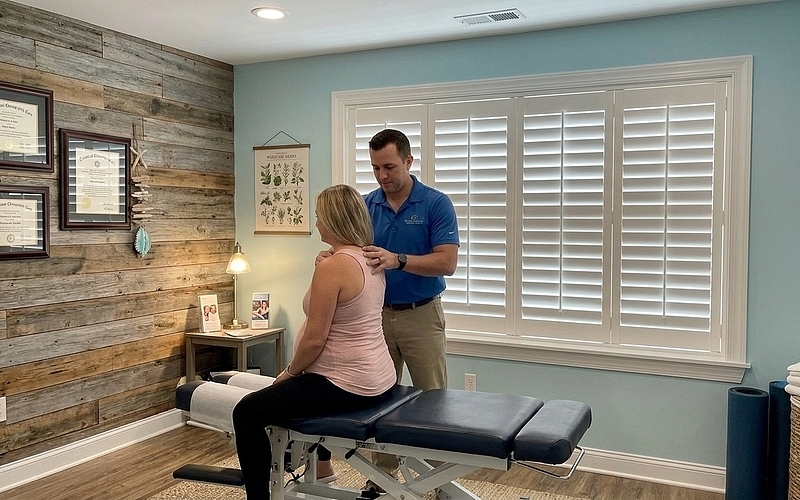
Is Pediatric Chiropractic Care in Surf City Safe for Young Children?
Parents don't mess around when it comes to their kids' health. Every decision gets scrutinized. Every provider gets vetted. And when something sounds unfamiliar — like taking your toddler to a chiropractor — the questions pile up fast. We get it. Pediatric chiropractic care isn't mainstream yet, but it's gaining traction in Surf City and beyond. The real question isn't whether it's trendy. It's whether it's safe, effective, and worth your time.
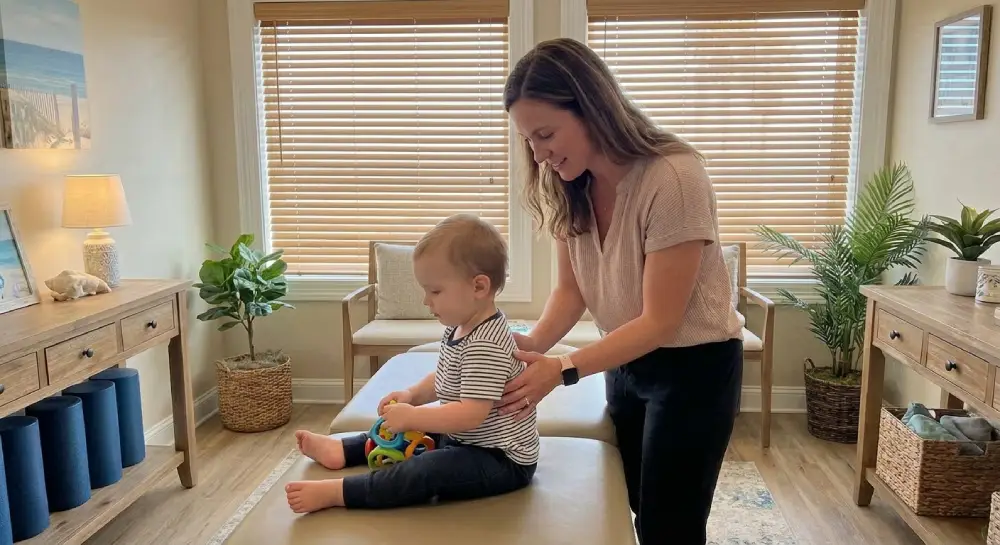
Here's what we know. When performed by a trained professional who specializes in pediatric techniques, chiropractic care for children is generally low-risk. The adjustments aren't what you'd see with adults — no cracking, no forceful twisting. Just gentle pressure applied to specific areas. But that doesn't mean every provider is created equal, and it doesn't mean every child needs it. Let's break down what matters.
What Pediatric Chiropractic Actually Involves
Chiropractic care for kids isn't a scaled-down version of what adults receive. The techniques are fundamentally different. Practitioners use light touch — often no more pressure than you'd use to test the ripeness of a tomato — to address alignment issues in the spine and joints. The goal is to support the nervous system, reduce discomfort, and promote healthy development as the body grows.
In Surf City, pediatric chiropractors typically work with infants dealing with colic or feeding difficulties, toddlers struggling with sleep or posture, and older kids managing growing pains or sports-related strain. The sessions are short, the movements are subtle, and most children don't even fuss. Some fall asleep. That said, the approach varies by provider, so understanding their training and philosophy is non-negotiable.
Why Some Families Seek It Out
Parents turn to pediatric chiropractic care for a range of reasons. Some are looking for relief from specific symptoms. Others want a proactive approach to wellness that doesn't rely solely on medication. The reported benefits vary, but here's what comes up most often in clinical settings and parent feedback:
- Better sleep patterns, especially in infants who struggle to settle
- Reduced fussiness or discomfort related to colic or digestive issues
- Improved mobility and coordination as children learn to crawl, walk, and run
- Support for posture development, particularly in kids who spend time hunched over screens
- Fewer recurring ear infections, though the evidence here is still debated
It's worth noting that while many parents report positive outcomes, the scientific research is still catching up. Some studies show promise, others call for more rigorous trials. That doesn't mean the care is ineffective — it means we're still building the evidence base. If you're considering it, weigh the anecdotal alongside the clinical, and don't skip the conversation with your pediatrician.
The Safety Question Gets Asked for a Reason
No parent wants to take unnecessary risks. And when you're talking about a child's spine, the stakes feel high. The good news is that serious adverse events from pediatric chiropractic care are extremely rare. Most reported side effects are mild — temporary soreness, brief irritability, or slight fatigue after a session. These typically resolve within a day.
Professional organizations like the American Chiropractic Association maintain that when care is delivered by a licensed practitioner with pediatric training, the risk profile is low. That's the key phrase: pediatric training. Not every chiropractor is equipped to work with children, and not every technique translates safely to smaller, developing bodies. The provider's credentials matter more here than in almost any other healthcare decision you'll make.
How to Vet a Provider in Surf City
Finding the right chiropractor isn't about picking the closest office or the one with the best website. It's about confirming they have the right background and approach for your child's needs. Start by asking about their experience with pediatric patients. How many children do they see weekly? What age ranges do they specialize in? Have they completed additional certification in pediatric chiropractic techniques?
A qualified provider will also be transparent about their methods. They should explain what they'll do, why they're doing it, and what outcomes you can reasonably expect. If they make sweeping claims about curing conditions or dismiss the need for collaboration with your child's pediatrician, that's a red flag. The best practitioners work as part of a healthcare team, not in isolation.

What Happens During a Typical Visit
The first appointment usually involves a detailed health history and a physical assessment. The chiropractor will observe how your child moves, check their posture, and evaluate spinal alignment. If an adjustment is recommended, it will be gentle and brief. Many parents are surprised by how little force is involved — it's more about precision than pressure.
Most kids tolerate the process well. Some are curious, some are indifferent, and a few even enjoy it. The frequency of visits depends on the issue being addressed. Acute concerns might require a few sessions over a couple of weeks. Ongoing wellness care might mean monthly check-ins. Either way, the plan should be clear, and you should feel comfortable asking questions at every stage.
When It Makes Sense and When It Doesn't
Pediatric chiropractic care isn't a one-size-fits-all solution. It works well for certain musculoskeletal issues and developmental concerns. It's less appropriate for conditions that require medical intervention, like infections, fractures, or systemic illness. If your child has a diagnosed medical condition, chiropractic care should complement — not replace — conventional treatment.
We also recommend being cautious if your child has a history of bone fragility, connective tissue disorders, or recent trauma. In those cases, a thorough medical evaluation should come first. The right chiropractor will recognize these limitations and refer you back to your pediatrician when necessary. That's not a weakness — it's a sign of competence.
Documentation and Communication Matter
If you move forward with care, keep records. Note the dates of visits, the techniques used, and any changes you observe in your child's symptoms or behavior. This documentation helps you track progress and provides valuable information if you need to consult with other healthcare providers down the line.
Communication between your chiropractor and pediatrician is equally important. Share your care plan with your child's doctor, and encourage your chiropractor to do the same. Integrated care leads to better outcomes, fewer gaps, and more confidence in the decisions you're making.
The Bottom Line on Safety and Effectiveness
Pediatric chiropractic care in Surf City can be safe and beneficial when delivered by a trained professional who understands the unique needs of growing bodies. The techniques are gentle, the risks are low, and many families report meaningful improvements in their children's comfort and development. But it's not a magic fix, and it's not right for every child or every condition.
Do your homework. Ask the hard questions. Verify credentials. And trust your instincts. If something feels off, it probably is. If a provider takes the time to listen, explain, and collaborate, that's a good sign. Your child's health deserves that level of care — and so do you. Family chiropractic services can provide comprehensive care for all ages, and understanding poor posture issues early can help prevent future complications. If you're ready to explore options, request an appointment to discuss your child's specific needs.
Let’s Talk About Your Child’s Wellness
We know how important it is to feel confident in every decision you make for your child’s health. If you’re considering pediatric chiropractic care or just want to ask a few more questions, let’s connect and find the right path together. Give us a call at 910-702-4476 or schedule an appointment so we can support your family’s journey to better health.
‹ Back
Recent Posts
-

Still Feeling Sore After an Accident in Surf City?
September 28, 2026
-
Could Chiropractic Care in Surf City Help Improve Your Posture?
September 14, 2026
-
Is Your Sports Injury in Surf City Taking Longer to Heal?
August 31, 2026
-

Can Massage Therapy in Surf City Help You Recover Faster?
August 17, 2026
-