


Is Your Sports Injury in Surf City Taking Longer to Heal?
Most athletes think injuries are just about rest and time. Ice it, elevate it, wait it out. But recovery isn't that simple—and if you're still limping weeks after a wipeout or nursing a shoulder that won't loosen up, something's off. Injuries may start with impact, but they linger because of what happens after. Especially if you're skipping steps or ignoring what your body's trying to tell you.
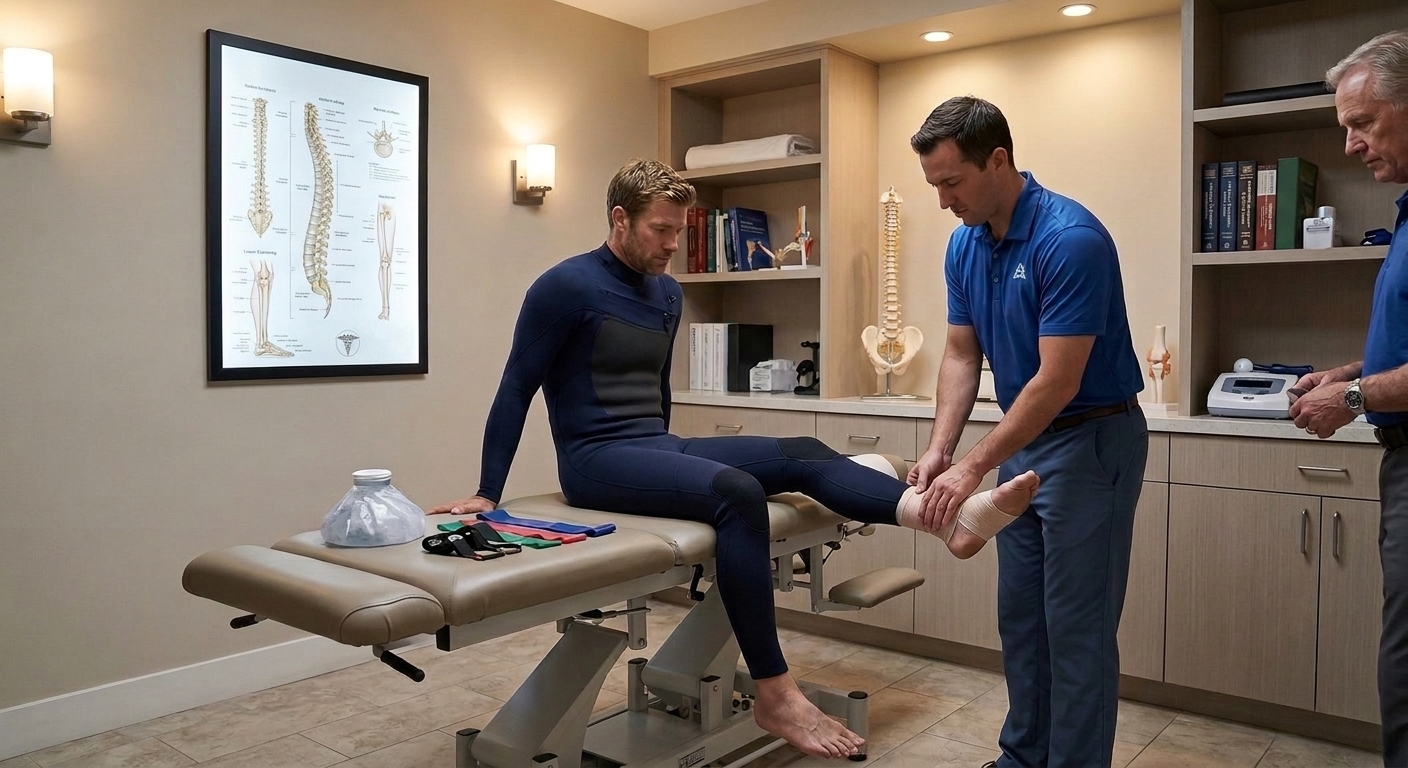
So here's what we know. If you're pushing through pain to stay active, that's admirable. Just don't mistake toughness for smart recovery. Every injury needs attention. Every delay has a cause. And every decision you make now affects whether you heal right—or whether this becomes a chronic problem.
Your Body Needs More Than You're Giving It
Nine times out of ten, slow healing isn't about the injury itself. It's about what you're doing—or not doing—during recovery. You got hurt, you took a few days off, maybe iced it once or twice. That's not enough. Tissue repair demands fuel, rest, and movement in the right doses. Miss one of those, and your timeline stretches.
But here's where it gets tricky. Sometimes slow healing isn't neglect—it's your body dealing with something deeper. Poor circulation, inflammation that won't quit, scar tissue forming wrong. We see this all the time with athletes who assume they're fine because the pain dulled. Pain fading doesn't mean healing finished. And when underlying issues go unaddressed, what should've been a two-week recovery turns into two months.
The Warning Signs You're Missing
You can't write off persistent swelling as "just part of it." That's your body waving a red flag. Same goes for stiffness that doesn't improve or joints that feel unstable when you move. These aren't minor annoyances—they're signs that healing stalled or went sideways.
Here's what demands attention:
- Pain that intensifies instead of fading over time
- Swelling that refuses to go down despite rest and elevation
- Range of motion that's still limited weeks later
- A joint or limb that feels wobbly or unreliable
- Any redness, heat, or fever near the injury site
Rest Alone Won't Cut It
Want your injury to heal? You'll need more than couch time. True recovery requires strategy—not just waiting around hoping things improve. The body repairs itself when conditions are right, and that means giving it what it needs to rebuild.
We track three main pillars:
- Adequate rest paired with smart movement—complete inactivity can weaken surrounding muscles
- Nutrition that supports tissue repair—protein, vitamins, minerals that fuel the process
- Professional guidance when needed—physical therapy isn't optional for serious injuries
Skip one of those, and the healing timeline extends. Skip two, and you're asking for complications. And if you're trying to train through it because you don't want to lose progress? That portion's setting you back further. No shortcuts for stubbornness, even if your friends say they bounced back faster.
Nutrition Matters More Than Most Athletes Realize
If your body's averaged more protein shakes than actual meals over the past few weeks, there's a gap in your recovery plan. Healing isn't fueled by willpower—it's fueled by what you eat. Your cells need building blocks to repair tissue, and you can't manufacture those out of thin air.
You'll need to prioritize these consistently:
- Lean proteins to rebuild muscle and connective tissue
- Vitamin C for collagen production and immune support
- Zinc to accelerate wound healing and reduce inflammation
- Omega-3 fatty acids to fight inflammatory responses
- Hydration to maintain circulation and flush metabolic waste
Most active people won't struggle to hit these marks—but those who do need to be intentional. Especially if they're highly active or dealing with multiple injuries.
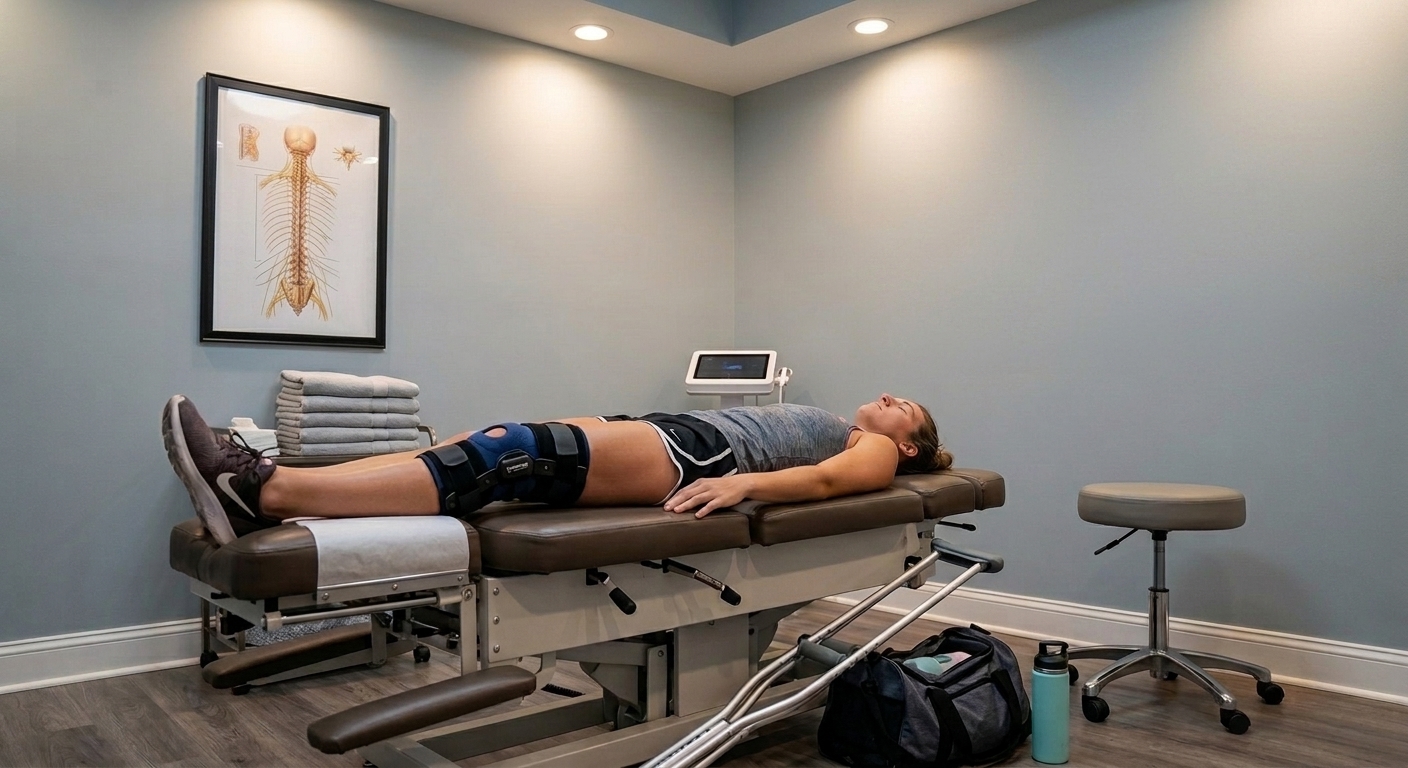
Your Recovery Plan Should Include Proof of Progress
Want to know if you're healing? Track your work. You'll need more than a gut feeling to measure improvement or catch setbacks early.
Here's what your documentation should capture:
- Daily pain levels on a consistent scale
- Range of motion measurements at regular intervals
- Swelling changes photographed or measured
- Activity logs showing what you did and how you felt after
If a doctor or therapist asks for details, you won't just rely on memory. Mixing "I think it's better" with actual data is how you catch problems before they compound. So if that ankle you rolled feels fine during walks but locks up after runs, you'd better have a record.
Where Most Athletes Go Wrong
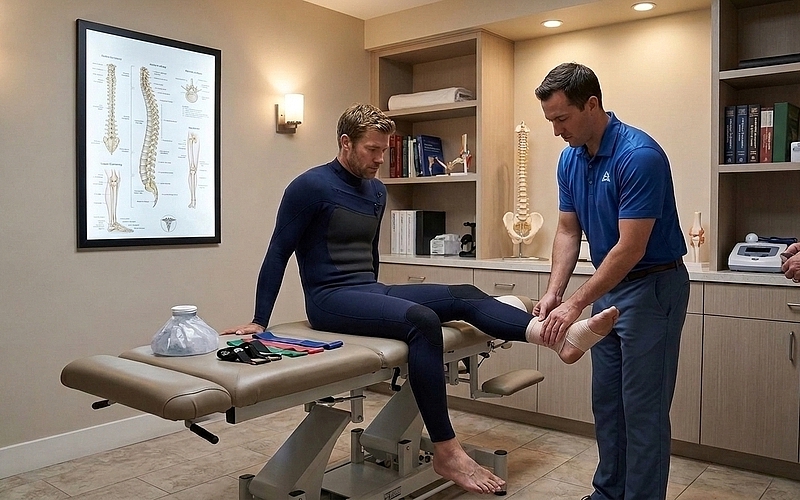
Trying to train through sharp pain because you don't want to lose momentum? Your body won't find that impressive. Ignoring medical advice can cost you months of progress or turn an acute injury into a chronic limitation. Most athletes who heal well do so by respecting their limitations—and plenty stay on track by following structured rehab plans instead of winging it. Common issues like sprains and strains, shoulder pain, knee pain, and rotator cuff injuries require specific treatment approaches to avoid long-term complications.
Don't Wait Until It's Worse
If you've dealt with lingering pain, reduced mobility, or swelling that won't quit, you're in territory where guessing gets risky.
A healthcare professional helps you:
- Identify whether healing is on track or stalled
- Correct movement patterns that might be making things worse
- Design a rehab plan tailored to your injury and goals
- Rule out complications like infections or re-injury
- Keep you from developing compensatory problems elsewhere
It's not just about feeling better this week. It's about building habits that keep you active and injury-free long-term. Working with professionals who offer sports chiropractic and personal injury care ensures you get the targeted support athletes need for complete recovery. If you're wondering how other athletes have navigated tough recoveries, the key is always the same—address problems early and commit to the process.
Healing Right Beats Healing Fast
Getting back to your sport isn't the hard part. Doing it without re-injury—and without chronic issues down the road—that's where athletes get caught off guard. There's no excuse for rushing recovery when the proper timeline is there for the taking. But there's also no forgiveness when you ignore the signals your body's sending. Taking on rehab seriously means respecting what your injury needs, not just what your schedule wants.
Let’s Get You Back in the Game
We know how frustrating it is to sit on the sidelines, waiting for your body to catch up with your ambitions. Let’s work together to create a recovery plan that gets you moving confidently again—without shortcuts or setbacks. If you’re ready to take the next step, give us a call at 910-702-4476 or schedule an appointment so we can help you get back to doing what you love, stronger than ever.
‹ Back
Recent Posts
-
Can Chiropractic Care in Surf City Help with Sciatica?
October 12, 2026
-

Still Feeling Sore After an Accident in Surf City?
September 28, 2026
-
Could Chiropractic Care in Surf City Help Improve Your Posture?
September 14, 2026
-
Is Your Sports Injury in Surf City Taking Longer to Heal?
August 31, 2026
-
Can Massage Therapy in Surf City Help You Recover Faster?
August 17, 2026

