Why Prenatal Chiropractic Care Can Support a More Comfortable Pregnancy
Most expectant mothers think pregnancy discomfort is just part of the deal. Aches happen, sleep gets harder, and you push through. But your body is doing more than just growing a baby — it's shifting, loosening, and compensating in ways that can throw everything off balance. Ignoring those signals doesn't make you tougher. It just makes the next trimester harder.

So here's what matters. If you're carrying new life, your spine and pelvis are under constant pressure. Every week brings new weight distribution, new joint laxity, and new reasons your lower back might be screaming. Prenatal chiropractic care isn't about fixing what's broken — it's about keeping your body aligned so it can do what it's designed to do without unnecessary pain.
Your Body Loosens Up Whether You're Ready or Not
Pregnancy floods your system with relaxin, a hormone that softens ligaments and preps your pelvis for delivery. That's great for childbirth. Not so great for stability. Your joints get wobbly, your spine compensates, and suddenly you're dealing with pain in places you didn't know could hurt.
Add in the extra weight up front, and your center of gravity shifts forward. Your lower back arches more. Your hips tilt. Muscles that weren't meant to carry that load start working overtime. Chiropractic adjustments help realign your spine and pelvis so your body isn't fighting itself every step of the way.
Pelvic Alignment Affects More Than Comfort
When your pelvis is out of alignment, it doesn't just hurt — it limits space. That matters because your baby needs room to move, grow, and eventually get into position for birth. Misalignment can lead to intrauterine constraint, which increases the chances of breech presentation or a longer, more complicated labor.
Chiropractors trained in prenatal care often use the Webster Technique, a method designed to balance the pelvis and reduce tension in surrounding ligaments. It's gentle, it's safe, and it gives your baby the best shot at settling head-down when the time comes. We've seen it make a real difference in how labor unfolds.
Common Discomforts That Don't Have to Be Normal
Pregnancy comes with a laundry list of aches, but that doesn't mean you have to live with all of them. Chiropractic care targets the root causes of discomfort, not just the symptoms. Here's what we see most often:
- Lower back pain from spinal misalignment and added weight
- Hip discomfort caused by pelvic instability and ligament laxity
- Sciatica triggered by nerve compression in the lower spine
- Tension headaches from postural changes and muscle strain
- Round ligament pain that worsens with sudden movements
Regular adjustments can ease these issues by restoring proper alignment, reducing nerve pressure, and improving mobility. Many women report better sleep, less pain, and more energy after consistent chiropractic sessions.
Your Nervous System Runs the Show
Every function in your body — including the ones keeping your pregnancy on track — depends on clear communication between your brain and the rest of your system. Spinal misalignments interfere with that communication, and when your nervous system isn't firing cleanly, everything from digestion to hormone regulation can take a hit.
Chiropractic adjustments remove those interferences. That means your body can adapt to pregnancy changes more efficiently, regulate stress better, and support both your health and your baby's development. It's not magic. It's just making sure the wiring works the way it should.
Labor Gets Easier When Your Body Is Ready
We're not saying chiropractic care guarantees a perfect birth. But research does show that women who receive regular prenatal adjustments tend to have shorter labor times, fewer complications, and less need for interventions. That's not luck — it's preparation.
When your pelvis is aligned and your nervous system is functioning optimally, your body is better equipped to handle the demands of labor. Contractions are more effective. The baby has room to descend. And you're not fighting against misalignment when every contraction counts.
What Safe Prenatal Care Actually Looks Like
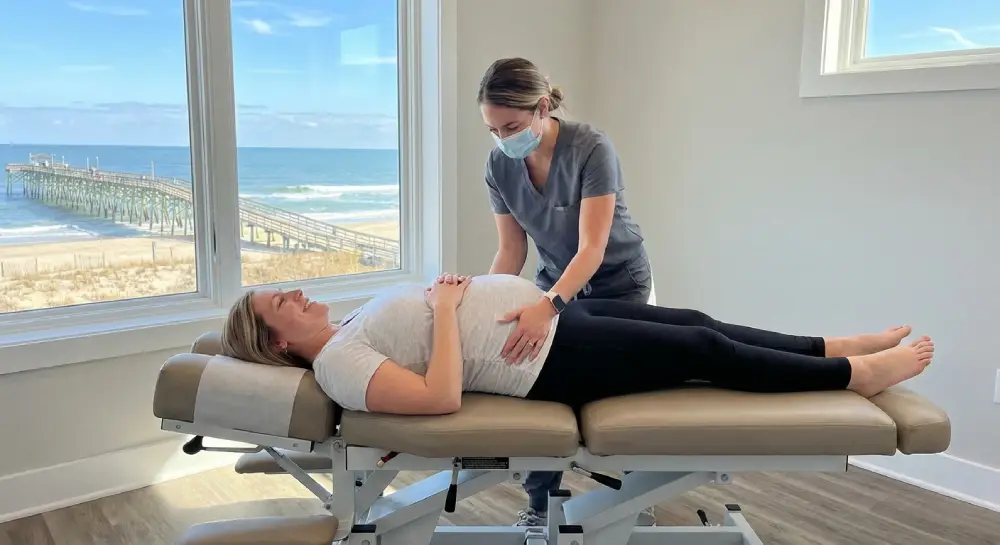
Prenatal chiropractors aren't using the same techniques they'd use on someone with a sports injury. The adjustments are gentle, the positioning is modified, and the equipment is designed to accommodate your growing belly. Before any treatment starts, you'll go through a thorough assessment to make sure chiropractic care is appropriate for your situation.
Here's what to expect during prenatal chiropractic sessions:
- Adjustable tables with belly cutouts or supportive pillows for comfort
- Gentle, low-force adjustments tailored to pregnancy
- Focus on pelvic alignment and spinal balance
- Techniques that avoid pressure on the abdomen
- Ongoing communication about what feels right and what doesn't
When to Start and How Often to Go
You don't have to wait until you're in pain to start chiropractic care. In fact, starting early — even in the first trimester — can help your body adapt more smoothly as pregnancy progresses. Some women come in weekly, others every few weeks, depending on their needs and how their body responds.
Frequency depends on a few factors:
- How much discomfort you're experiencing
- Whether you have a history of back or pelvic issues
- How far along you are in your pregnancy
- Your overall health and activity level
- Whether you're preparing for a specific birth plan
What Chiropractic Care Won't Fix
Let's be clear. Chiropractic adjustments aren't a cure-all. They won't eliminate every pregnancy symptom, and they're not a replacement for prenatal medical care. If you have complications like preeclampsia, placenta previa, or other high-risk conditions, chiropractic care should be part of a broader care plan — not a solo solution.
But for the mechanical issues — the misalignments, the nerve compression, the postural strain — chiropractic care is one of the most effective, non-invasive options available. And it works alongside your OB or midwife, not instead of them.
Finding a Chiropractor Who Knows Pregnancy
Not every chiropractor is trained in prenatal care, and that distinction matters. You want someone who understands the biomechanics of pregnancy, knows how to modify techniques safely, and has experience working with expectant mothers.
Look for these credentials and qualities:
- Certification in prenatal chiropractic techniques like Webster
- Experience treating pregnant patients regularly
- A practice equipped with pregnancy-friendly tables and tools
- Clear communication about what to expect and why
- Willingness to coordinate with your OB or midwife
Why Documentation and Consistency Matter
If you're seeing a chiropractor during pregnancy, keep records. Note what was adjusted, how you felt afterward, and any changes in symptoms. This isn't just for your peace of mind — it's useful information for your birth team and for tracking what's working.
Consistency also matters. One adjustment might bring relief, but regular care is what keeps your body aligned as things continue to shift. Think of it like maintaining a car during a long road trip. You wouldn't skip oil changes and expect smooth performance at the end.
Preparing Your Body for What Comes Next
Pregnancy is temporary, but how you move through it affects recovery postpartum. Women who maintain spinal and pelvic alignment during pregnancy often bounce back faster after delivery. Their bodies aren't starting from a place of compensation and dysfunction — they're starting from a place of balance.
Chiropractic care doesn't stop being useful once the baby arrives. Postpartum adjustments can help with recovery, support breastfeeding posture, and address any lingering pain from labor. But the foundation you build during pregnancy makes all of that easier.
Comfort Isn't a Luxury During Pregnancy
Growing a human is hard work. Your body is doing something extraordinary, and it deserves support that goes beyond just toughing it out. Prenatal chiropractic care gives you a way to stay aligned, reduce pain, and prepare for birth without relying on medication or invasive interventions. It's not about being perfect — it's about being functional, comfortable, and ready for what's ahead. If you're pregnant and dealing with back pain, hip pain, or sciatica, don't wait until it's unbearable. Get assessed, get adjusted, and give your body the alignment it needs to carry you — and your baby — through a healthier, more comfortable pregnancy.
Let’s Make Your Pregnancy Journey Smoother
We believe every mom-to-be deserves to feel supported and comfortable as her body changes. If you’re ready to experience the difference that expert prenatal chiropractic care can make, let’s talk about your needs and how we can help you feel your best. Call us at 910-702-4476 or schedule an appointment today so we can help you move through pregnancy with greater ease and confidence.
‹ Back
Recent Posts
-

Still Feeling Sore After an Accident in Surf City?
September 28, 2026
-

Could Chiropractic Care in Surf City Help Improve Your Posture?
September 14, 2026
-
Is Your Sports Injury in Surf City Taking Longer to Heal?
August 31, 2026
-

Can Massage Therapy in Surf City Help You Recover Faster?
August 17, 2026
-